
Blog
Complete Guide to Sangak Bread Production: Traditional Methods, Equipment, and Bakery Setup
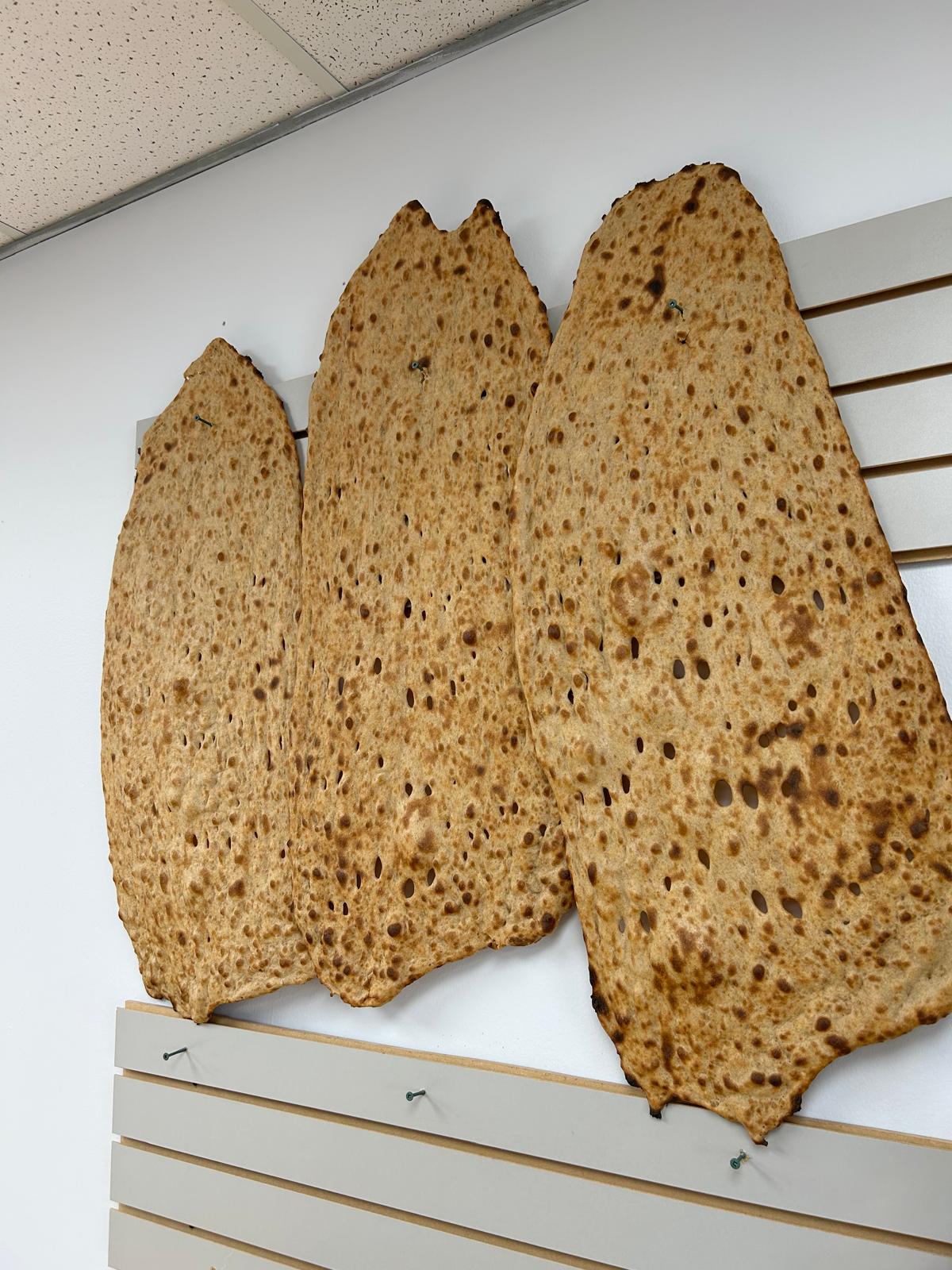
Complete Guide to Sangak Bread Production: Traditional Methods, Equipment, and Bakery Setup
Sangak bread is one of the most famous and beloved traditional Persian breads. Known for its unique shape, crispy crust, soft interior, and distinctive stone-baked texture, Sangak has been a staple of Persian baking for centuries.
Today, demand for authentic Sangak bread continues to grow throughout Canada, the United States, and around the world. Persian supermarkets, bakeries, restaurants, and wholesale distributors are constantly looking for high-quality Sangak production.
However, producing authentic Sangak bread requires more than simply purchasing equipment. Unlike many commercial breads, true Sangak bread relies heavily on skilled craftsmanship, traditional techniques, and experienced bakers.
At M&H Bakery Equipment, we have helped customers throughout Canada and the USA establish successful Sangak bakeries by providing complete turnkey solutions including bakery design, equipment supply, installation, training, and production support.
What Is Sangak Bread?
Sangak is a traditional Persian flatbread baked on a bed of heated stones. The name "Sangak" comes from the Persian word "Sang," meaning stone.
The bread is characterized by:
Long triangular shape
Thin yet chewy texture
Crispy crust
Large air pockets
Traditional handcrafted appearance
Unique stone-baked flavor
Unlike industrial breads, authentic Sangak maintains a handcrafted character that customers immediately recognize and appreciate.
Why Sangak Bread Is Different from Other Breads
Many commercial breads can be produced using highly automated production lines.
Sangak is different.
The traditional production process requires skilled dough handling, proper stretching techniques, and baker experience to achieve authentic results.
This is one of the reasons Sangak remains one of the most respected artisan breads in the world.
Can Sangak Bread Be Fully Automated?
Technically, there are automated systems that attempt to produce Sangak bread.
However, experienced Sangak bakers understand an important reality:
Authentic Sangak bread should be handcrafted rather than fully automated.
While automation may increase production speed, it often sacrifices many characteristics that customers expect from traditional Sangak.
These include:
Proper dough stretching
Natural shape variation
Traditional texture
Authentic appearance
Traditional baking characteristics
Many customers can immediately recognize the difference between handcrafted Sangak and highly automated Sangak.
For this reason, many of the most successful Sangak bakeries throughout North America continue to use traditional hand-production methods supported by professional equipment.
Why Handcrafted Sangak Produces Better Results
Better Dough Structure
Experienced bakers can feel the dough and adjust handling techniques based on:
Hydration levels
Fermentation conditions
Dough strength
Environmental conditions
Machines cannot easily replicate this level of judgment.
More Authentic Appearance
Traditional Sangak is not supposed to look perfectly identical.
Handcrafted production creates:
Natural variation
Artisan appearance
Traditional character
Customers often associate these qualities with freshness and authenticity.
Better Texture
Hand shaping helps preserve the delicate dough structure required for premium Sangak production.
This contributes to:
Better air pockets
Better chew
Better crust development
More authentic eating experience
Stronger Customer Perception
Many consumers actively seek handcrafted products.
When customers see traditional Sangak production methods, they often perceive the product as:
More authentic
Higher quality
More traditional
Worth a premium price
Essential Equipment for Sangak Production
Although Sangak should be handcrafted, professional bakery equipment still plays a critical role.
The goal is not to replace the baker.
The goal is to support the baker.
Spiral Mixer
A high-quality spiral mixer is essential.
The mixer creates:
Consistent dough development
Proper gluten structure
Reliable fermentation performance
At M&H Bakery Equipment, many Sangak bakeries choose Panemor Spiral Mixers because of their reliability and performance.
Dough Divider
A dough divider improves consistency while reducing labor.
Benefits include:
Accurate dough weights
Faster production
Reduced waste
Consistent product sizing
Dough Resting and Fermentation Systems
Proper fermentation is critical for authentic Sangak production.
Controlled fermentation helps create:
Better flavor
Better texture
Improved dough extensibility
Consistent production
Sangak Oven
The oven is the heart of every Sangak bakery.
A professional Sangak oven provides:
Consistent heat
Reliable baking
Traditional stone-baking characteristics
High production capacity
While the dough handling remains handcrafted, the oven helps maintain production efficiency and consistency.
The Sangak Production Process
Step 1: Mixing
Ingredients are mixed to develop proper dough structure.
Step 2: Fermentation
The dough rests and develops flavor.
Step 3: Dividing
Dough is portioned into consistent weights.
Step 4: Hand Stretching
This is one of the most important stages.
Experienced bakers carefully stretch the dough by hand.
This traditional step is what gives Sangak its distinctive appearance and texture.
Step 5: Loading onto the Oven
The dough is transferred onto the baking surface using traditional methods.
Step 6: Baking
The bread bakes until it develops:
Crispy crust
Proper color
Traditional texture
Characteristic air pockets
Step 7: Cooling and Packaging
Fresh Sangak is cooled and prepared for retail or wholesale distribution.
Why Successful Sangak Bakeries Choose Traditional Production
Many bakery owners initially consider fully automated production.
However, after studying the market, they often realize that customers specifically seek traditional Sangak.
The strongest Sangak brands often focus on:
Authentic recipes
Handcrafted production
Traditional techniques
Premium quality
These factors help create customer loyalty and long-term success.
Why Bakeries Choose Panemor Equipment
At M&H Bakery Equipment, we proudly supply Panemor bakery equipment to Sangak bakeries across Canada and the USA.
Panemor equipment is designed for:
Commercial production
Long-term reliability
Food safety
Consistent performance
High production capacity
Ideal for:
Sangak Bread
Barbari Bread
Taftoon Bread
Lavash Bread
Traditional Flatbreads
Complete A-to-Z Sangak Bakery Solutions
M&H Bakery Equipment provides complete turnkey Sangak bakery solutions.
Our services include:
Bakery Consultation
Bakery Design & Layout Planning
Equipment Supply
Permit Assistance
Delivery & Installation
Production Training
Startup Support
Financing Assistance
Ongoing Technical Support
Whether you are opening a new Sangak bakery or expanding an existing operation, our team can help you build a professional and efficient production facility.
Final Thoughts
Sangak bread is more than just a bakery product—it is a traditional craft that has been passed down through generations.
While modern equipment can improve efficiency and consistency, authentic Sangak production still depends heavily on skilled bakers and traditional hand-production techniques.
The most successful Sangak bakeries combine professional equipment with experienced craftsmanship to create the quality customers expect.
At M&H Bakery Equipment, we help bakery owners throughout Canada and the United States achieve exactly that by providing complete Sangak bakery solutions from A to Z.
Share
Imagine & Start,
We make it so simple!
All of the machines are made especially for North America and United State with safety approvals.95%
87%
81%
100%